When your hearing feels obstructed, it can interfere with your daily schedule and leave you feeling withdrawn from your environment. It is common to assume that muted sound signifies chronic hearing impairment, but the problem is often just a resolvable cerumen obstruction.
Recognizing how to tell these two conditions apart ensures you seek the correct care, whether that is professional cerumen extraction or a diagnostic hearing test. There is no reason to feel overwhelmed if sounds seem muted. An exam can help you get to the bottom of it, but in the interim, here’s what you need to know about earwax buildup (also known as earwax blockage) vs. permanent impairment.
Identifying the Symptoms of Canal Obstruction
Cerumen (wax) is a normal, protective substance that helps trap dirt and debris and keeps the auditory canal functional. Problems arise when excessive wax accumulates or turns impacted.
Frequent indicators of earwax buildup consist of:
- Gradual or sudden dampened hearing
- A sensation of ear pressure or a “clogged” sense
- Ear discomfort or mild pain
- Persistent buzzing or hissing sounds
- Sound clarity that shifts or improves momentarily with chewing
A signature of wax-induced sound fluctuations is asymmetry, usually affecting one side more than the other. Fortunately, once excess wax is safely extracted, hearing often returns to baseline instantly.
Recognizing Permanent Impairment Symptoms
Unlike a temporary obstruction, sensorineural hearing impairment typically advances slowly over years and is not resolved by clearing the canal.
Indications of irreversible auditory decline often involve:
- Struggling to follow conversations when ambient sound is audible
- A persistent requirement for others to speak more distinctly or audibly
- Adjusting electronic device volumes to a point that others find uncomfortable
- Trouble hearing high-pitched tones
- Auditory ability equally diminished on both sides
Importantly, auditory loss is a clarity issue that seldom includes the perception of physical pressure found with wax.
Primary Distinctions at a Glance
A few basic signs can help you determine whether you are contending with a treatable blockage or a more permanent change:
- Timeline: Wax-related muffling can be quick, but permanent loss requires decades
- Longevity: Cerumen issues are treatable and temporary, whereas impairment is usually long-term
- Sensations: Pressure and irritation indicate wax; word intelligibility issues indicate impairment
- Symmetry: Blockages are often asymmetrical, but permanent loss is commonly two-sided
The Risks of At-Home Ear Cleaning
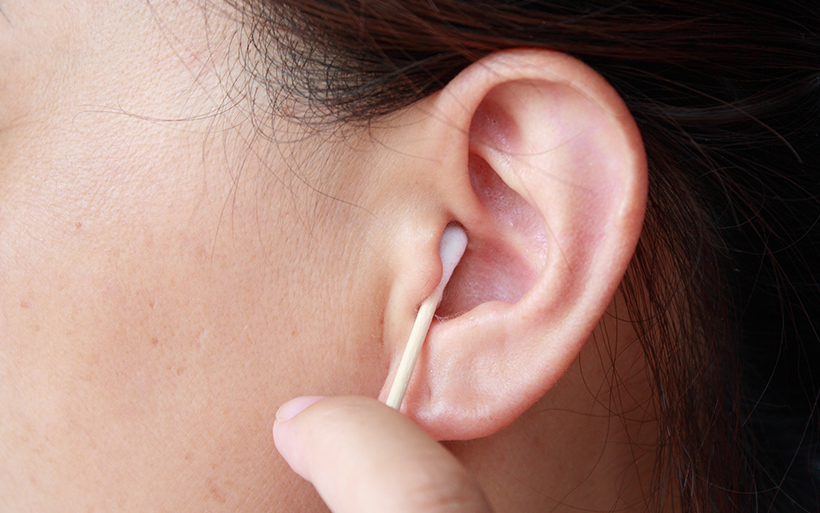
When hearing feels muffled, the instinctive urge is to use a Q-tip, but this is frequently a dangerous move. Using foreign objects commonly shoves the obstruction deeper into the ear, heightening the danger of trauma.
According to the NLM, inserting items into the ear canal increases the likelihood of blockage and injury.
Similarly, neglecting early hearing loss can postpone treatment that assists in preserving interaction, security, and well-being.
Ways a Clinical Exam Helps
A quick professional exam is the primary way to confirm if wax is truly the source of your dull hearing.
If wax is found, safe removal often resolves signs on the spot.
When the canal is unobstructed but auditory input remains muffled, a diagnostic assessment is required to evaluate your hearing integrity.
Medical experts advise obtaining a professional evaluation as soon as you observe hearing fluctuations that affect your routine.
Is It Earwax Blockage or Hearing Loss?
Feeling as if auditory signals are muted doesn’t always indicate a lasting change.
In many instances, cerumen accumulation is the cause, and it’s extremely treatable.
A clinical evaluation will give you the answers you require to advance without worry.
Ultimately, an expert consultation is the only reliable way to differentiate between a temporary blockage and a permanent shift.
Getting clarity early can prevent pointless worry and ensure you receive the appropriate treatment at the optimal time.
Instead of guessing what is amiss, schedule a quick check-up with our audiologists to get the reality.